



Introduction
You’ve written the lyrics. You can practically hear the melody. You know exactly how the chorus should feel. There’s just one problem: You don’t have a recording studio, a band, or the production skills to bring the song to life. That’s the gap Suno promises to close. Give it a description, a few lines of lyrics, or a musical idea, and Suno can turn that starting point into a complete song. Vocals, instruments, arrangement, and all.
Pretty remarkable. But here’s the more important question: Can Suno help you create music that’s good enough to finish, release, and actually use? Because there’s a difference between generating a song that makes you smile and producing one you’re comfortable putting your name on. That’s what we set out to understand.
Suno is an AI music-generation platform that creates complete vocal songs, instrumentals, and musical arrangements from written prompts, lyrics, audio references, and other creative inputs. It’s designed for everyone from curious beginners to working musicians, songwriters, and content creators.
The company was founded in 2023 in Cambridge, Massachusetts, by Mikey Shulman, Georg Kucsko, Martin Camacho, and Keenan Freyberg, who previously worked together at Kensho. Their work in generative audio eventually became Suno, a platform that brought AI-powered music creation to a much wider audience. The company’s investor profile documents its founders and early history.
And that audience has grown quickly.
In February 2026, CEO Mikey Shulman disclosed that Suno had reached approximately 2 million paying subscribers, according to TechCrunch reporting. Suno’s company information subsequently described more than 2 million paid subscribers as of early 2026 and more than 100 million people who had created music using the platform.
Those numbers tell different stories. The 100 million figure refers to people who have created music, not paying subscribers or monthly active users. As of October 8, 2026, we couldn’t verify a newer, comparably specific paid-subscriber figure. Impressive growth? Certainly. Proof that Suno is the best choice for your music? Not necessarily.
Our research team has spent several years experimenting with AI tools for Songs, Music, Audio & Voice. Over that period, 15 team members participated at different times, exploring different model generations and working through a variety of creative and production tasks. We also tested the available subscription plans to understand something pricing pages rarely tell you: which plan makes sense when you’re actually trying to get work done.
Our latest comparative scorecard was finalized on October 6, 2026. It evaluates six companies ElevenLabs, Suno, Mureka AI, Descript, Adobe Firefly, and MiniMax Audio using seven weighted factors. We looked at how well the products understand creative instructions, how quickly they deliver usable results, how good the audio sounds, how reliably they follow prompts, what customers think, how trustworthy that feedback is, and how practical each product feels in real use.
The findings give Suno plenty to be proud of. They also give prospective buyers a few reasons to look beyond the demo. Let’s start with what Suno can actually do.
Performance
Suno’s biggest selling point is also its simplest: It makes creating a complete song feel surprisingly accessible. You don’t need to know how to arrange a string section. You don’t need to record a lead vocal. You don’t even need to play an instrument. You can describe the kind of song you’re after, and Suno brings the pieces together: melody, rhythm, instruments, lyrics, structure, and singing.
For a songwriter who has pages of lyrics but no way to record them, that’s a meaningful opportunity. For a musician, it offers another way to explore arrangements and hear how an unfinished idea might develop. And for a content creator who needs original background music, it can shorten the distance between having an idea and hearing something usable.
But the real test isn’t how easily a platform produces its first song. It’s what happens after that. Can you change the chorus without losing the verse you loved? Can you get the vocals closer to your intended emotion? Can you adjust the arrangement, fix a mistake, and export what you need?
Those questions matter because music creation rarely ends with the first version. Across our team’s multi-year experiments with different models and musical tasks, Suno emerged as the strongest complete-song choice among the six companies in our vocal and instrumental listening assessments.
That’s a meaningful distinction. It also comes with an important qualification. Being particularly good at complete songs doesn’t automatically make Suno the strongest platform for every voice, speech, audio-editing, or production task.
Suno v6: Better songs are only part of the story
On September 9, 2026, Suno introduced v6, its latest generation of music models. The company says the release improves sound quality, musical expression, generation speed, instruction-following, and editing control. According to its official announcement, the model was developed with music-industry partners, including Warner Music Group, BMG, and Believe.
The release includes three versions, each with a different purpose. v6 is the flagship model for Pro and Premier subscribers. It’s designed for creators who want more polished music and greater control over how a composition develops. v6-wild is also available on paid plans, but it leans toward experimentation. Rather than focusing on consistency, it aims to explore less predictable creative directions. v6-mini is the faster, lighter option available to both free and paid users. It offers a way to experiment with the v6 family without paying for the flagship models.
According to Suno’s model documentation, all three support generations of up to eight minutes. That’s useful information. But the model names and generation lengths aren’t what make this release particularly interesting.
The bigger development is what you can do with a song after Suno creates it.
Earlier prompt-based workflows often involved regenerating an entire composition when only one part needed attention. Maybe the verse worked beautifully, but the chorus felt flat. Or the melody was right, but the instrument arrangement needed changing. Starting over could mean losing the very thing you wanted to keep.
With v6, Suno has expanded its editing capabilities to support more targeted revisions. The company describes tools for revising sections, combining elements from different songs, isolating instruments, developing beats from musical samples, and changing individual lyrics while preserving more of the surrounding recording.
Creators can also work from combinations of text, audio, images, and video. That opens up more ways to begin. A songwriter could start with an existing melody. A content creator could work from a visual concept. A musician could bring in an instrumental reference and explore a different arrangement.
These capabilities make Suno more useful as a creative workspace, not just a song generator. There’s a catch, though. Having an editing feature doesn’t guarantee the model will make exactly the change you requested. An adjustment to one section can still affect another. A revision may introduce an artifact. And a perfectly reasonable instruction may produce a result that’s close to what you wanted but not quite there. The newer tools give creators more options. They don’t remove the need to listen carefully, evaluate the output, and sometimes try again.
Music and vocal quality: Impressive, with important imperfections
A complete song has a lot of moving parts. The melody needs to work. The instruments need to fit together. The arrangement should develop naturally. The lyrics need to sound like they belong in the music. And the singing? It needs to carry the song, not distract from it. This is where Suno makes its strongest case.
Our comparative listening findings favored Suno for complete songs that combine vocals and instrumental backing. That ability to produce a developed musical composition within one workflow is especially appealing when you’re trying to move beyond a short musical idea.
But polished isn’t the same as perfect. AI-generated vocals can still stumble over pronunciation, emphasize the wrong words, or deliver a line with an emotional tone that doesn’t quite fit. Arrangements can feel repetitive. Transitions can sound unnatural. And the model may reproduce a genre’s familiar characteristics without capturing the less obvious details that make a particular performance feel authentic.
Independent testing helps put those limitations into perspective. In September 2026, The Verge assessed Suno v6 and found improvements in the model’s understanding of genre-specific instructions compared with earlier versions. That was the good news.
The reviewer also struggled to generate intentionally imperfect music, including off-key singing and dissonance. Some vocal artifacts remained, and certain explicit instructions to exclude instruments weren’t followed consistently. The assessment also found that v6-wild didn’t always produce results dramatically different from the standard model. This reveals something worth understanding about AI music generation.
Sometimes a model is very good at making music sound conventionally polished. And sometimes that’s exactly the problem. If you’re making upbeat background music, a familiar arrangement may be just what you want. If you’re trying to create something awkward, raw, dissonant, or deliberately unconventional, that same preference for polish can work against you.
The Verge’s review wasn’t a large controlled benchmark, and our supplied scorecard doesn’t contain a detailed statistical breakdown of every recording. Neither establishes that Suno will outperform every competitor on every musical task. What our research does support is a more practical conclusion. Suno is especially strong at complete vocal and instrumental compositions. But its reliability still depends on what you ask it to create and how precisely you need the result to match your intentions.
Suno Studio 2.0: What happens after the first song?
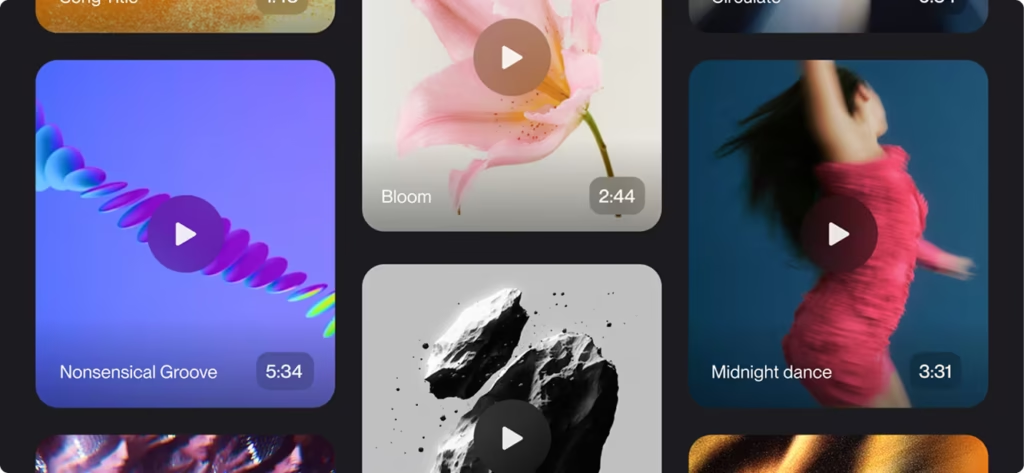
Generating music is one thing. Producing it is another. On August 13, 2026, Suno released Studio 2.0, expanding its browser-based production environment for Premier subscribers. The aim is to make Suno useful further into the music-production process, rather than stopping at the moment a song is generated.
According to the company’s Studio 2.0 documentation, users can work with MIDI recording and editing, built-in synthesizers, audio effects, automation, stems, and conversational production controls. That means creators have more ways to shape the music themselves. For instance, you might like the lead vocal in a generated song but want to rebuild part of the instrumental arrangement.
Or perhaps you want to adjust stems, add a MIDI instrument part, apply effects, and prepare the result for further production. Studio provides tools for those kinds of tasks within Suno’s own environment. That makes a difference for more experienced musicians who want to combine generative capabilities with familiar production techniques.
Still, it’s worth remembering what Studio is and what it isn’t. A creator who needs very precise audio editing, established plug-in compatibility, or full control over recorded performances may still prefer a conventional digital audio workstation. The right question isn’t whether Studio has a long list of features.
It’s whether those features make your particular workflow easier. There’s also an important subscription detail. Suno states that Premier subscribers can export multitracks and stems through Studio without the standard monthly song-download limits. The Studio 2.0 announcement also describes exports up to 32-bit/48kHz.
For producers handling substantial production work, that’s a meaningful advantage. But it doesn’t mean all downloads across Suno are unlimited. Standard song downloads remain subject to the applicable plan allowances. We’ll look more closely at that distinction when we get to pricing.
Suno Speech: A new capability, not yet a mature one
Suno’s ambitions now extend beyond singing and instrumental music. On October 1, 2026, the company launched Suno Speech in public beta. The feature generates spoken audio together with original background music, producing them as one coordinated track. Instead of separately creating a narration and searching for suitable music, users can describe the intended spoken performance and musical atmosphere or provide written material.
Potential applications include narrated stories, spoken-word pieces, dramatic readings, personalized audio, and short-form creative content. Think of a poem accompanied by atmospheric music. Or a short narrated introduction with its own original soundtrack. The convenience is easy to understand. But this is where our enthusiasm needs a clear boundary.
Speech is still a beta product.
Suno acknowledges limitations involving accents that may shift unexpectedly and pauses that can become exaggerated or inconsistent. Those issues matter more than they might initially appear. An unusual pause in an experimental spoken-word piece could be an interesting creative choice. The same pause in a professional narration or carefully timed promotional recording could require another generation or additional editing.
And because Speech launched just five days before our October 6 research cutoff, there was little independent review evidence covering the current version. It’s too early to treat it as an established alternative to mature professional speech-production systems. Suno Speech gives the platform broader coverage across Songs, Music, Audio & Voice. But based on the evidence available for our evaluation, complete-song creation remains Suno’s clearest strength.
Consistency, originality, and commercial use: Questions worth asking
An exciting first result can make a music-generation platform feel almost effortless. The tenth revision may tell a different story. Generative systems aren’t always predictable. Two similar prompts can produce noticeably different arrangements, vocal performances, or musical ideas.
A creator may find a great result quickly one day and spend much longer trying to reproduce a comparable outcome another day. Suno’s editing improvements help address that challenge. But they don’t guarantee identical results, exact performance control, or flawless preservation of surrounding material during revisions. There are also broader questions about musical variety.
An August 2026 computational study examined Suno and another generative music system across four genres. The researchers generated 100 tracks per system and genre and compared the resulting audio with human-produced music using 72 measurable features. They reported evidence that Suno reduced certain acoustic distinctions between genres.
That’s an interesting finding, but it needs context. The study measured audio characteristics, not how much listeners enjoyed the songs. It also predates v6. It would therefore be misleading to treat its findings as a final judgment on the current model. Commercial use introduces another set of considerations.
Suno’s partnerships with music-industry companies represent progress in its licensing relationships. But those arrangements don’t automatically settle every question about training data, originality, ownership, or third-party rights. In October 2026, The Verge reported further allegations from Sony and Universal Music Group concerning Suno’s models and training practices. These are disputed legal allegations, not established findings against every song created with Suno.
Separately, Reuters reported on October 6 that Italy’s competition authority had opened an investigation into potentially unfair terms-of-service provisions. An investigation isn’t a finding of wrongdoing. It is, however, another reason commercial users should pay attention to the agreements governing their work.
One distinction is especially important:
Permission to use a song commercially isn’t the same as a guarantee that you own enforceable copyright in it. Copyright eligibility, originality, contractual rights, and music-distribution requirements involve separate questions. We’ll explain what Suno’s paid plans actually provide in the Pricing section.
How our team evaluated Suno
A single generated song can tell you something about an AI music platform. It can’t tell you everything. That’s why our evaluation extended across multiple years, different model generations, and a range of music, audio, and voice-related tasks. Our 15-person research team participated at different points throughout that work. We also examined the available pricing plans to understand how their features and restrictions affected different situations.
Our latest comparative findings were finalized on October 6, 2026, using seven weighted evaluation factors.
| Evaluation Factor | What It Measures | Weight |
|---|---|---|
| AI Intelligence | Understanding creative intent, interpreting musical and audio references, developing original ideas, choosing suitable vocal expression, and responding intelligently to revisions | 15% |
| Speed | Time and consistency from request to usable songs, instrumentals, audio, or speech including generation, revisions, retries, and exports; response latency for real-time voice | 10% |
| Music, Audio & Voice Quality | Songs and music: melody, harmony, rhythm, arrangement, structure, lyrical quality, and natural singing. Audio: clarity, sound realism, production quality, and freedom from noise or artifacts. Voice: intelligibility, naturalness, pronunciation, pacing, intonation, emotional expression, and speaker consistency | 25% |
| Prompt Accuracy | Adherence to requested genre, mood, tempo, instruments, lyrics or script, language, accent, pronunciation, vocal style, emotion, duration, timing, and exclusions | 20% |
| User Rating | Public satisfaction from credible, product-specific reviews, prioritizing people who actually use the relevant song, music, audio, or voice features | 10% |
| Review Confidence | Authenticity, volume, recency, relevance, diversity of independent review sources, and whether reviews match the evaluated features and current product or model | 5% |
| Features & Usability | Lyric and script controls, section editing, track extension, stems, audio editing, voice libraries, voice cloning and conversion, pronunciation controls, dubbing, export quality, integrations, workflow, learning curve, pricing value, and clarity of commercial-use terms | 15% |
Together, the seven factors give us a fuller picture. Not just, “Does the song sound good?” But also, “Can I work with this product, trust the results, and get the music where it needs to go?” Our source materials document the evaluation framework, scores, and rankings. They don’t contain every individual prompt, recording, test count, or listening record from the research period.
So we won’t invent those details or claim a level of statistical precision that the evidence doesn’t support. What we can do is explain what the recorded results mean for someone choosing between these products.
Comparisons Before You Buy
Let’s start with the overall result.
Suno ranked second among the six companies in our October 6, 2026 evaluation, earning an Overall Score of 8.14. ElevenLabs led with 8.58. Mureka AI followed Suno at 7.65, then Descript at 6.99, Adobe Firefly at 6.82, and MiniMax Audio at 6.07. These numbers come from our team’s seven-factor research. They are not Google Play ratings, G2 scores, Trustpilot averages, or rankings borrowed from another publication.
Here’s how all six companies performed.
| Product | Overall Score | AI Intelligence | Speed | Music, Audio & Voice Quality | Prompt Accuracy | User Rating | Review Confidence | Features & Usability | Best For |
|---|---|---|---|---|---|---|---|---|---|
| ElevenLabs | 8.58 | 8.9 | 8.6 | 8.5 | 8.6 | 7.6 | 7.0 | 9.5 | Projects combining narration, songs, sound effects and voice production |
| Suno | 8.14 | 8.4 | 8.3 | 8.6 | 8.0 | 6.5 | 6.5 | 8.8 | Complete vocal songs and substantial music-production revisions |
| Mureka AI | 7.65 | 7.8 | 8.0 | 7.9 | 7.5 | 6.0 | 6.0 | 8.7 | Song drafts developed with references, remixing, stems and production exports |
| Descript | 6.99 | 6.6 | 6.5 | 6.6 | 6.5 | 7.2 | 6.5 | 9.0 | Podcasts, recorded dialogue, narration and editing audio inside a project |
| Adobe Firefly | 6.82 | 6.5 | 6.8 | 6.3 | 6.3 | 8.8* | 4.0 | 8.3 | Video soundtracks, instrumental backing, voiceovers and sound effects |
| MiniMax Audio | 6.07 | 6.0 | 6.5 | 6.1 | 6.1 | 5.0† | 3.0 | 7.5 | Speech, voice cloning and music experiments with web/API options |
* Adobe Firefly, 8.8/10: Based on one G2 rating for the overall Firefly product. It does not specifically measure its music, audio or voice features. † MiniMax Audio, 5.0/10: A neutral placeholder because a reliable, comparable customer-rating average was not verified. It is not an actual customer rating.
Now, second place might sound like Suno lost out to ElevenLabs. That’s not the most useful way to interpret the findings. The overall ranking tells one story. The individual factors and what you actually want to create tell a more interesting one.
Music, Audio & Voice Quality: Suno takes the lead
This is Suno’s standout result. With a score of 8.6 in Music, Audio & Voice Quality, Suno ranked first among the six evaluated products. ElevenLabs followed closely at 8.5. Mureka AI scored 7.9, Descript 6.6, Adobe Firefly 6.3, and MiniMax Audio 6.1. Quality carries 25% of our overall weighting, so this result matters.
Our team’s comparative listening work identified Suno as the strongest option for complete songs involving vocals and instrumental arrangements. That’s especially relevant if you want a finished musical composition rather than a voice recording, isolated sound, or short instrumental element. But keep the margin in perspective.
Suno’s 0.1-point advantage over ElevenLabs is small. We can’t treat it as statistical proof that Suno will produce audibly better results in every situation. What matters more is the kind of work each platform supports. Suno concentrates heavily on complete music creation. ElevenLabs covers a broader range of voice, sound, and audio-production needs. If your main goal is generating vocal songs, Suno’s result deserves attention. If your project also requires substantial narration, speech work, or other specialized audio capabilities, the broader comparison becomes more relevant.
AI Intelligence: A strong second place
Suno earned 8.4 in AI Intelligence, behind ElevenLabs at 8.9. Mureka AI scored 7.8, Descript 6.6, Adobe Firefly 6.5, and MiniMax Audio 6.0. Why does this matter? Because a creative instruction isn’t always straightforward. A creator might ask for a song that feels nostalgic but not sad, energetic without sounding aggressive, or intimate while retaining a full instrumental arrangement.
The system has to interpret what those instructions mean musically. Our score indicates that Suno is among the stronger products at handling this kind of creative interpretation. Its reference-based generation, editing options, and different model behaviors provide useful ways to explore ideas. But there’s an important distinction. Understanding the general creative direction doesn’t always mean following every instruction precisely. That’s why we measure Prompt Accuracy separately.
Speed: Getting to usable music, not just getting a result
Suno scored 8.3 in Speed. ElevenLabs led at 8.6, followed by Suno and Mureka AI at 8.0. Adobe Firefly earned 6.8, while Descript and MiniMax Audio each scored 6.5. The difference among the top three isn’t particularly large. And speed means more than how quickly a model generates its first recording.
Consider two scenarios. In the first, a creator generates a song, likes it, and finishes. In the second, the song needs revised lyrics, a different chorus, a stem export, and several attempts before it’s ready. The second workflow may take much longer, even if the initial generation is fast. Our speed factor considers the broader journey to usable output.
That makes targeted revisions, export processes, and retries important parts of the experience. For creators working under deadlines, the fastest result isn’t necessarily the first one produced. It’s the first one they can actually use.
Prompt Accuracy: Where details can become difficult
Suno received 8.0 in Prompt Accuracy. ElevenLabs scored 8.6, Mureka AI 7.5, Descript 6.5, Adobe Firefly 6.3, and MiniMax Audio 6.1. This category carries a 20% weight, making it one of the most influential factors in our evaluation.
And it’s easy to see why. There’s a big difference between requesting “an upbeat acoustic song” and specifying exact lyrics, a particular vocal character, a carefully controlled instrumental arrangement, and instruments that must not appear. The first request leaves plenty of room for interpretation. The second asks the model to deliver something much more specific. Suno’s result shows strong capabilities, but not the highest level of prompt adherence in our comparison.
Independent v6 testing also identified situations where unusual musical instructions or instrument exclusions were handled inconsistently. For casual experimentation, those variations may be part of the fun. For a tightly specified client project, they can create extra work. If precision matters to you, test a few representative instructions before committing to a long-term plan.
User Rating: The experience goes beyond the music
Suno’s User Rating score was 6.5. ElevenLabs earned 7.6, Descript 7.2, Mureka AI 6.0, and MiniMax Audio 5.0. Adobe Firefly’s scorecard value was 8.8, accompanied by an unexplained asterisk. Because the supplied research doesn’t clarify that annotation, we won’t draw an unqualified comparison from it. Suno’s User Rating result is noticeably lower than its music-quality score.
And that’s worth understanding. Someone might love a song they generated and still be unhappy with the service. Perhaps a subscription restriction interrupted their workflow. Perhaps an account issue was difficult to resolve. Or maybe a product change affected a feature they had come to rely on. The quality of the music and the quality of the customer experience aren’t the same measurement. Our methodology recognizes that difference rather than allowing one impressive result to speak for everything else.
Review Confidence: Not all feedback deserves equal weight
Suno scored 6.5 in Review Confidence. ElevenLabs led at 7.0, Descript matched Suno at 6.5, Mureka AI earned 6.0, Adobe Firefly 4.0, and MiniMax Audio 3.0. Review Confidence asks a different question from User Rating. It’s not simply, “Are customers happy?”
It’s, “How much confidence should we place in the available evidence?” A platform might have millions of mobile-app ratings, but not all those users will have tested its latest professional editing features.
Another product might have fewer reviews, but those comments could contain more detailed observations about demanding creative workflows. Neither source is automatically better in every situation. Our team considered relevance, review volumes, recency, possible incentives, and source characteristics. Suno has substantial public feedback available. It also receives sharply different ratings depending on the platform. Those differences tell us something important about the customer experience, which we’ll explore shortly.
Features & Usability: Powerful tools, different priorities
Suno earned 8.8 in Features & Usability, putting it third in this category. ElevenLabs led at 9.5, followed by Descript at 9.0. Mureka AI scored 8.7, Adobe Firefly 8.3, and MiniMax Audio 7.5. Suno’s result reflects a strong set of music-focused capabilities, including editing, stems, voice features, production tools, and export options.
Its newer workflows make it useful for creators who want to develop material after the initial generation. But our findings also highlight why comparing all six products as if they were interchangeable would be misleading. ElevenLabs is particularly suitable for projects combining narration, songs, sound effects, and voice production.
Descript is designed around podcasts, recorded dialogue, narration, and editing audio within a project. Mureka AI is relevant to song development using references, remixing, stems, and production exports. Adobe Firefly fits workflows involving video soundtracks, instrumental backing, voiceovers, and sound effects.
MiniMax Audio offers options for speech, voice cloning, and music experimentation through web and API workflows. And Suno? Its clearest strength remains complete vocal songs and substantial music-production revisions. That’s why the highest overall score doesn’t automatically identify the right product for every buyer.
A podcaster editing interviews has different needs from a songwriter creating an album. A video producer needs different controls from someone generating an experimental pop song. Our ranking reflects our research framework, the selected products, and the October 6, 2026 findings. Different needs, budgets, or evaluation priorities could reasonably lead someone to choose a different product. The best score matters. But the best fit matters more.

Customer Review
A product demonstration shows what a tool can do. A customer review often tells you what it’s like to live with. Both are useful. Neither tells the whole story. During our research, we collected customer ratings and reviews from multiple platforms through October 6, 2026. We didn’t simply average all the stars and call it a result.
Different platforms attract different reviewers, serve different purposes, and provide different levels of detail. For Suno, we place the greatest emphasis on Google Play for broad consumer sentiment, G2 for more focused music-making experiences, and Trustpilot for subscription and customer-support experiences.
Here’s why:
Google Play: The broadest view of consumer satisfaction
Our primary reference for Suno’s overall consumer rating is Google Play. The reason is straightforward: Its review count is substantially larger than the samples available from the smaller specialist platforms. In our research collection, Suno’s Android app was recorded at 4.8/5 from approximately 2.4 million reviews.
An accompanying earlier research screenshot records 4.5/5 from more than 2.47 million reviews. Those figures differ, and the supplied materials don’t establish why. Rather than select one explanation or quietly combine them, we preserve both as separate observations. When we checked the accessible Google Play listing on October 8, 2026, it also displayed a 4.8-star rating, although the exact review count shown differed from the collected figures.
That illustrates an important point about public ratings: They’re snapshots, not permanent facts. Google Play is useful because its reviews are connected to actual app installations. Google’s review policies provide a clearer product-access requirement than an unrestricted survey. And a sample size in the millions offers broad visibility into consumer experiences. But broader doesn’t mean more specialized.
A large share of reviewers may use the app for entertainment, casual experimentation, or personal music creation. Those ratings don’t necessarily tell us how well the current flagship model handles complex professional work or how useful Studio feels in a demanding production workflow. That’s why Google Play is our leading source for overall consumer sentiment not the final authority on every Suno feature. The US Apple App Store listing provides another view of mobile-user satisfaction.
Our October 6 collection recorded 4.9/5 from approximately 365,000 ratings. That result reinforces the picture of strong consumer enthusiasm. But we keep Apple and Google ratings separate. They come from different platforms, with different users and rating systems.
| Product | Source used | Public Rating | Votes & Reviews |
|---|---|---|---|
| ElevenLabs | G2 | 4.5/5 | 1.2K+ reviews |
| Suno | Google Play Store | 4.5/5 | 2.47M+ reviews |
| Mureka AI | Google Play Store | 4.2/5 | 159K+ reviews |
| Descript | G2 | 4.6/5 | 927+ reviews |
| Adobe Firefly | G2 | 4.4/5 | 371+ reviews |
| MiniMax Audio | Not Enough Solid Report | – | – |
G2: What users say about actually making music
A big star rating is useful. A detailed explanation of how someone uses a product can be even more useful. That’s why we give particular attention to the G2 Suno AI product profile. Our research collection recorded 4.4/5 from 112 reviews as of October 6, 2026. This is the larger, product-specific G2 review set relevant to Suno’s music-generation experience. Its value lies in the detail.
Reviewers discuss turning written ideas into songs, working with lyrics, experimenting with musical styles, and judging how convenient the process feels. Positive feedback often focuses on accessibility and the ability to transform a rough concept into a developed piece of music. Critical comments offer another perspective, including inconsistency, limits to creative control, and differences between expectations and actual workflow behavior. That’s exactly the kind of information a potential buyer needs.
Still, G2 isn’t free from limitations. Some reviews are explicitly labeled incentivized. The platform also provides reviewer-validation information where applicable. Those labels offer useful transparency. They don’t make every review equally independent or representative. An incentivized reviewer may have genuinely used the product, but the circumstances surrounding participation can still influence the feedback collected.
We account for that rather than treating every submission as an independent product test. There are also multiple Suno-related G2 listings, and mixing them up would distort the numbers. Our October 6 collection found a separate Suno.ai seller profile with eight reviews and another Suno product page with two reviews.
The broader Suno seller profile contained 114 reviews spanning the two relevant product profiles. Those totals overlap. Adding the figures together would create the appearance of more independent reviews than actually exist.
For our analysis, the 112-review Suno AI product page is the more useful G2 reference because of its greater coverage of the music-making experience. Trustpilot: A different side of the customer experience. Now for the sharpest contrast in our collected feedback. Suno’s Trustpilot ratings are considerably lower than its mobile-app ratings.
Our October 6 collection recorded 1.6/5 from 848 reviews on the older www.suno.ai profile. The separate suno.com profile recorded 1.7/5 from 182 reviews. That’s a substantial difference from the high ratings on Google Play and Apple’s App Store. So what should we make of it?
Start by looking at what the reviewers are discussing. Recent Trustpilot feedback frequently concerns subscriptions, billing, account access, customer support, download restrictions, and changes to the product. Some reviewers also express dissatisfaction with generation quality or workflows that changed over time. Those experiences are particularly relevant if you’re considering a paid subscription.
A music tool might create excellent songs but still leave a subscriber frustrated if the available downloads don’t match their expectations or an account problem proves difficult to resolve. Suno’s September 2026 download-policy changes make this especially important. Subscribers now need to consider a separate monthly download allowance alongside their generation credits. That’s a meaningful change for anyone who creates and exports music regularly.
But the Trustpilot numbers need context too. The platform identifies these profiles as having no history of inviting reviews and warns that uninvited submissions may not represent all customers. Someone with an unresolved billing problem may be more motivated to write a review than someone who generates a song, enjoys it, and moves on.
That doesn’t invalidate the complaint. It does mean the reviewer population may not represent the whole customer base. The two domain profiles are also separate collections. We don’t combine them or assume every review represents a unique customer across both. Our editorial judgment is that Trustpilot provides an important window into subscription and service risks, while Google Play gives us broader consumer coverage and G2 offers more detailed music-making feedback.
The three sources complement one another. They don’t measure exactly the same experience. Other review sites: Helpful, with smaller evidence bases We also examined several smaller review sources. Our October 6 collection recorded 1.25/5 from 36 customer reviews on BBB. On Product Hunt, one Suno listing recorded 4.8/5 from 19 reviews.
AlternativeTo showed 3.8/5 from six ratings, while SourceForge recorded 4.0/5 from five reviews. These sources can provide useful comments and additional perspectives. Their small samples make them less suitable for broad conclusions. SourceForge and Slashdot also appeared to contain the same five-review set. Counting those as separate evidence would risk duplication. Capterra and GetApp each had a single five-star review, alongside inconsistent product categorization.
One positive review doesn’t establish broad customer satisfaction, especially when the surrounding listing information is unreliable. BBB serves a different purpose. Its complaints and customer reviews can highlight service concerns that buyers should investigate. But its smaller, complaint-oriented audience shouldn’t be treated as directly comparable to millions of mobile-app users.
The lesson isn’t that one platform is right, and another is wrong. It’s that each source needs to be understood for what it actually measures. What we learned from the review evidence: When we consider the sources together, a clear pattern emerges. People can be enthusiastic about Suno’s music-generation capabilities and unhappy with parts of its customer experience at the same time.
Those two things aren’t mutually exclusive. The major mobile marketplaces show strong consumer ratings. G2 contains positive, more focused feedback about creating music, alongside criticisms of control and consistency. Trustpilot and BBB draw attention to complaints about subscriptions, billing, access, and support. These sources reflect different experiences, audiences, and expectations. They may also describe different moments in Suno’s development.
A comment about an older model doesn’t necessarily reflect v6. And Speech is too new to have a substantial body of independent reviews covering its current behavior. Independent expert testing adds context because it examines particular product capabilities more closely than a star rating usually can. It supports the conclusion that Suno has improved its music-generation technology while retaining limitations in precision and control.
Our approach is to use public feedback to inform our understanding, not to replace our team’s hands-on research. That’s why Suno’s external ratings remain separate from its 6.5 User Rating, 6.5 Review Confidence, and 8.14 Overall Score in our October 6 comparative study. Different evidence. Different measurements. Different purposes.
Pricing
Here’s our starting recommendation:
If you want to make and release music with Suno, start with Pro at $10 per month.
Not because it’s the cheapest option. And not because paying more automatically makes the music better. It’s the plan that, in our team’s evaluation, offers the most practical balance of creative tools, commercial access, and price for the typical serious buyer. Our team examined Suno’s available plans and features through October 6, 2026, to understand which suited different situations.
One thing became especially important: The number of songs you can generate and the number you can download aren’t the same thing. That distinction can make a big difference to what you’re actually getting for your money.
Let’s look at the plans. These are Suno’s published USD web subscription prices as of October 6, 2026, before applicable taxes. We also checked the official pricing details on October 8.
| Plan | Monthly billing | Annual billing, paid upfront | Generation credits | Included song downloads |
|---|---|---|---|---|
| Free / Basic | $0 | $0 | 50/day | No recurring monthly allowance; limited trial downloads may be available |
| Pro | $10/month | $96/year ($8/month equivalent) | 2,500/month | 20/month |
| Premier | $30/month | $288/year ($24/month equivalent) | 10,000/month | 60/month |
Annual billing saves 20% compared with paying monthly for a full year. That’s $24 in annual savings for Pro and $72 for Premier. The lower monthly equivalents apply only when you pay for the year upfront. They aren’t separate month-to-month prices. Now, which plan actually makes sense? Free: Find out whether you enjoy the process
Suno’s Free plan costs nothing. It provides 50 generation credits each day, access to v6-mini, basic creation tools, and a shared generation queue. That’s enough to begin experimenting. Try a few song descriptions. Test some lyrics. Explore genres you wouldn’t normally write in. Most importantly, see whether the results make you want to keep going. Because there’s little point paying for an advanced music platform if you don’t enjoy working with it. The Free plan does have meaningful limitations.
It doesn’t include commercial-use rights, the flagship paid models, advanced editing capabilities such as stem separation, or a recurring monthly download allowance. According to Suno’s download guidance, accounts created before September 3, 2026, may have up to seven trial downloads. Newer accounts may receive occasional trial-download opportunities instead.
So our recommendation is simple. If you’re curious about AI music, start here. If you’re planning to monetize or commercially release songs, you’ll need to consider a paid plan.
Pro: The plan we’d recommend to most serious creators
Pro costs $10 per month, or $96 per year when paid annually. For that price, you receive 2,500 generation credits and 20 included song downloads per month. You also get access to Suno’s flagship v6 model and v6-wild, along with priority generation, advanced editing, stem separation, voice features, custom models, and the option to purchase additional credits or downloads.
For creators who want to distribute or monetize eligible songs, Pro also provides the relevant commercial-use permissions under Suno’s current terms. That’s a considerable step up from Free. And for most serious creators, it provides the capabilities that matter without requiring the Premier subscription. Our team’s plan evaluation favored Pro as the most practical starting point for regular songwriting, background music, and occasional commercial releases. But there’s one limitation you should understand before subscribing.
Pro includes 20 song downloads per month.
You may have enough generation credits to create many more musical versions than that. If you generate hundreds of ideas but export only your favorites, 20 downloads may be enough. If you regularly deliver finished songs to clients or need to export a large collection of tracks, the allowance could become restrictive. That’s why we recommend starting with monthly billing.
Pay $10. Use Suno for a month. See how you actually work. How many generations does it take to get something you like? How often do you revise? How many finished tracks do you need outside the platform? Your answers will tell you more about subscription value than an advertised credit number alone. If Suno becomes part of your regular workflow, the $96 annual plan offers better value. If it doesn’t, you haven’t committed to a full year.
Premier: When generating songs becomes serious production work Premier costs $30 per month, or $288 per year when billed annually. It provides 10,000 generation credits and 60 included standard song downloads per month. That’s four times Pro’s generation credits and three times its included downloads. Premier also includes Suno Studio, additional production capabilities, more advanced stem separation, and larger audio-upload allowances.
For high-volume users, those differences can be substantial. But there’s a detail that’s easy to miss. Pro and Premier both include access to Suno’s flagship music models. Premier’s principal advantage isn’t exclusive access to a generally superior song-generation model. It’s greater capacity and access to the more advanced Studio production environment. That matters if your work involves arranging, mixing, editing stems, using MIDI, applying effects, or working extensively on compositions after generation.
Studio also changes the export equation. According to Suno’s Studio documentation and download guidance, Premier users can export multitracks and stems through Studio without the ordinary monthly song-download limits. For a producer who frequently exports material for further work, that can make Premier much more attractive. But if you mainly want to generate and download occasional finished songs, the extra capacity and Studio features may go unused.
Our recommendation? Choose Premier when you have a clear reason to need it. Not because it costs more. Not because it looks more professional. Because its additional tools or allowances solve a problem you actually have.
Credits and downloads: Two allowances worth watching. Let’s make this distinction clear, because it affects how you use the platform. Generation credits pay for creating music. Download allowances govern how much music you can export under the included monthly entitlement. They’re separate. A Pro subscriber can generate numerous versions and still have only 20 included song downloads in the month. Premier includes 60 standard song downloads.
Suno’s download rules explain that downloading the same song again, or downloading that song in another supported format, doesn’t use another song download. Downloading its available stems is also included with that song’s download. Additional downloads can be purchased. Unused recurring generation credits and standard monthly download allowances generally don’t roll over.
Annual subscribers receive their included allocations on the monthly cycle rather than getting all 12 months of credits immediately. Purchased generation top-ups are different. Suno states that they don’t expire, although an active paid subscription is required to use them. Purchased download credits may also carry forward.
This is why your actual workflow matters so much. If you create dozens of variations but need only two finished songs, you may care more about generation credits. If you regularly export large quantities of music, your download allowance becomes much more important. And if your work depends on multitrack production, Studio’s export rules may change the value calculation again.
The right plan depends on what you make and what you need to do with it afterward. Commercial-use rights: Read this before releasing your music. If you intend to earn money from your songs, pay particular attention to Suno’s licensing terms. Under its current terms of service, qualifying outputs produced through Pro or Premier are subject to the applicable rights assignment and commercial-use restrictions. Suno’s paid subscription guidance explains that eligible downloads obtained while subscribed receive commercial-use permissions.
Those permissions can cover activities such as releasing music on streaming platforms, monetizing eligible recordings, and using songs in commercial projects. The rights associated with a qualifying paid download continue after cancellation, subject to the terms. That’s helpful. But it doesn’t mean every song you’ve ever generated automatically becomes commercially licensed when you start paying.
Suno’s retroactive rights guidance warns that upgrading doesn’t generally grant commercial rights to songs previously created under Free. Particular remix or paid-download situations may be governed by separate conditions. If a track is intended for commercial release, verify that the specific output qualifies under the current terms and keep appropriate subscription and download records. And remember the copyright distinction.
A paid subscription may provide contractual commercial-use permissions. It doesn’t guarantee that a fully AI-generated recording qualifies for copyright protection. Suno’s copyright explanation acknowledges that copyright eligibility can depend on applicable law and the extent of human creative contribution. Original human-written lyrics, musical composition, and other creative contributions may affect that analysis.
Third-party distributors can also impose their own policies. So don’t assume that paying for a plan guarantees exclusive copyright, originality, or acceptance everywhere you want to distribute the recording. For professional and client projects, those questions deserve attention before the music is released.
Which plan should you actually buy?
After evaluating the plans through October 6, 2026, our team’s recommendation remains Suno Pro at $10 per month for most serious music creators.
It provides the main paid models, creative tools, and eligible commercial-use rights without the larger Premier commitment. If you’re just experimenting, use Free. If you’re creating regularly but aren’t sure how much you’ll need, begin with Pro monthly. If you’ve already established that Suno is part of your ongoing work, Pro annual billing at $96 offers a 20% saving.
And if you’re producing music at higher volume or making substantial use of Suno Studio, Premier is worth considering. There’s no prize for choosing the most expensive subscription. The best plan is the one whose features and limits fit the work you’re actually doing.
Conclusion
Suno does something genuinely valuable. It makes the distance between a musical idea and a complete song much shorter. A songwriter can hear lyrics brought to life. A musician can explore unfamiliar arrangements. A content creator can experiment with original soundtracks without beginning from an empty recording session.
And with v6 and Studio 2.0, Suno is increasingly focused on what happens after the first generation: revising, arranging, and developing music into something more finished. Our research supports that strength. Across our team’s multi-year experimentation, involving 15 members participating at different times, Suno emerged as the strongest complete-song choice among the six evaluated products in our vocal and instrumental listening assessments.
In the comparative scorecard finalized October 6, 2026, Suno ranked second overall with 8.14, behind ElevenLabs at 8.58. But Suno led the most heavily weighted factor, earning 8.6 in Music, Audio & Voice Quality.
That’s an important result for anyone whose primary goal is creating complete vocal songs. It’s not the whole story, though. ElevenLabs led our overall evaluation and performed better in AI Intelligence, Speed, Prompt Accuracy, and Features & Usability. Suno still has limitations involving precise instructions, consistency, vocal artifacts, and editing control. Its new Speech beta adds useful possibilities but remains early, with documented issues involving accents and pacing.
And while major app marketplaces show strong consumer satisfaction, other review sources raise concerns about subscription restrictions, billing, access, and customer support. Those issues deserve consideration alongside music quality. If your main work involves professional narration, podcast editing, or tightly controlled speech production, ElevenLabs or Descript may be a better fit.
If you’re developing song drafts through references, remixing, stems, and production exports, Mureka AI is also worth evaluating. But if your goal is to create complete vocal songs and keep developing them through substantial music-production revisions, Suno deserves a place near the top of your shortlist. For most serious buyers, our recommendation is Pro at $10 per month.
It’s the most practical starting point for accessing Suno’s main paid creation tools and eligible commercial-use rights. Move to annual billing when you know the platform fits your workflow, or choose Premier when higher capacity and Studio justify the added expense. Our seven-factor research reinforces a point that’s easy to overlook when you’re listening to an impressive AI-generated track.
A great song is the beginning of the buying decision, not the end of it. You also need to know whether you can refine it, export it, use it commercially, and depend on the platform when the creative work gets more demanding. Suno performs particularly well where complete-song generation matters most. It isn’t automatically the right answer for every audio task. And as its models, features, pricing rules, and licensing arrangements continue to develop, our team will keep reassessing whether its performance and value earn the position it holds today.
FAQ
Is Suno AI worth paying for in 2026?
Yes, particularly if you want to create complete vocal songs, experiment with musical arrangements, or release AI-generated music commercially. In our multi-year research involving a 15-person team, Suno ranked second among six AI audio platforms, earning an overall score of 8.14. It also achieved the highest Music, Audio & Voice Quality score at 8.6. For most serious creators, we recommend starting with Suno Pro at $10 per month. It provides access to the flagship models, advanced editing tools, and commercial-use permissions for eligible outputs without requiring a larger upfront commitment.
Is Suno better than ElevenLabs for AI music generation?
That depends on what you’re creating. Our October 6, 2026 evaluation placed ElevenLabs first overall with 8.58, ahead of Suno at 8.14. However, Suno led the Music, Audio & Voice Quality category with 8.6, narrowly exceeding ElevenLabs at 8.5. Our listening assessments identified Suno as the stronger complete-song choice, particularly for vocal music and instrumental arrangements. ElevenLabs is more attractive for projects combining narration, voice production, sound effects, and other audio tasks. If complete songs are your priority, Suno deserves particular consideration.
Can you release, monetize, and claim copyright on Suno AI-generated songs?
Suno permits commercial use of qualifying songs obtained through approved downloads under its paid Pro and Premier plans, subject to its current terms. This can include music distribution, monetized content, and commercial projects. However, upgrading doesn’t automatically grant commercial rights to songs previously created on the Free plan. Commercial-use permission also differs from copyright protection: fully AI-generated music may not qualify for copyright without sufficient human creative contribution. Before releasing music, check the applicable terms, confirm the song’s eligibility, and review your distributor’s requirements.
What is the difference between Suno Free, Pro, and Premier, and which plan offers the best value?
Suno Free provides 50 daily generation credits for personal experimentation, without commercial-use rights. Pro costs $10/month, includes 2,500 monthly generation credits and 20 song downloads, and unlocks the flagship music models and advanced editing features. Premier costs $30/month, increases those allowances to 10,000 credits and 60 downloads, and adds Suno Studio for more extensive production work. Our team’s plan evaluations favor Pro as the best overall value for most serious creators. Choose Premier when higher production capacity or Studio’s advanced workflow justifies the additional expense.
How good is Suno v6, and can it generate realistic singing and spoken audio?
Released September 9, 2026, Suno v6 introduced improved music-generation capabilities, more flexible song revisions, and expanded creative controls. Our research identifies Suno as particularly strong for complete vocal compositions, although pronunciation inconsistencies, vocal artifacts, and imperfect prompt adherence remain possible. Suno also introduced Speech in public beta on October 1, 2026, allowing users to generate spoken audio with original background music. However, Suno acknowledges occasional accent drift and inconsistent pauses. For professional narration requiring precise pronunciation and pacing, specialized voice-generation platforms may be more dependable.